Start With Your Skin’s Needs
Choosing skincare products becomes easier when you begin with your skin’s actual needs. Dry skin may benefit from ingredients such as ceramides, glycerin, and hyaluronic acid, while oily or combination skin often responds well to lightweight, non-comedogenic formulas. If sensitivity is a concern, look for fragrance-free products with short, gentle ingredient lists.
Before adding anything new, consider your main goal. Hydration, blemish control, uneven tone, and visible signs of aging each require a different approach. A simple routine is usually more effective than using many products at once, especially when you are trying to understand what works for you.
Build a Balanced Routine
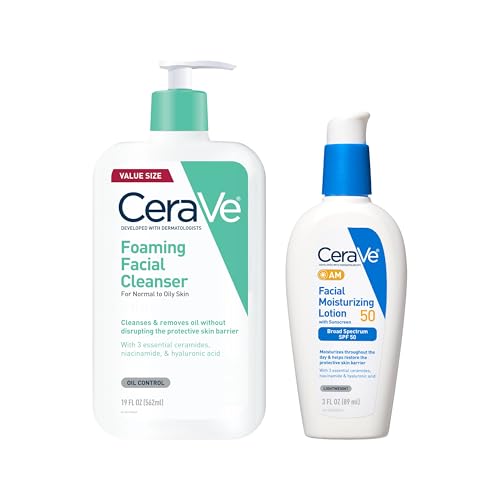
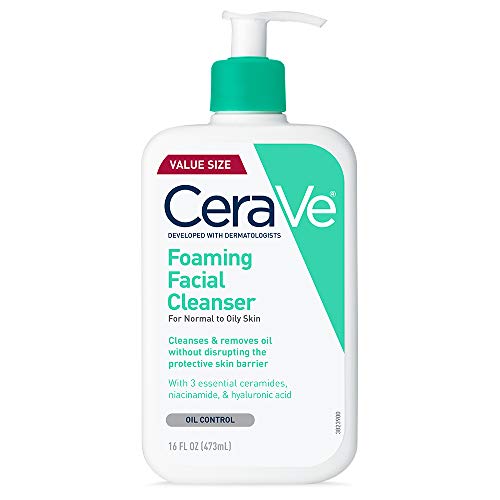
A dependable routine typically includes a gentle cleanser, moisturizer, and broad-spectrum sunscreen. Cleanser removes daily buildup without leaving the skin tight or uncomfortable. Moisturizer helps support the skin barrier, and sunscreen protects against sunburn and long-term UV-related damage.
Additional products should serve a clear purpose. A vitamin C serum may help brighten the appearance of dull skin, while niacinamide can support a more even-looking complexion and balanced oil production. Introduce one new product at a time and use it consistently for several weeks before judging the results.
How to Review Product Claims
Marketing language can make skincare products sound more powerful than they are. Instead of relying only on words such as “miracle,” “clean,” or “instant,” examine the ingredient list, concentration when available, directions, and suitability for your skin type. A higher price does not automatically mean better performance.
Patch testing is a sensible precaution, particularly for exfoliants, retinoids, essential oils, and products designed for sensitive skin. Apply a small amount to an inconspicuous area and wait to see how your skin reacts. Stop using any product that causes persistent burning, swelling, or irritation.
Make Informed Choices
The best skincare products are those you can use comfortably and consistently. Compare ingredients, read independent reviews, and choose formulas that match your routine rather than chasing every new trend. When persistent concerns continue, a qualified dermatologist can offer personalized guidance and help you select safer, more effective options.